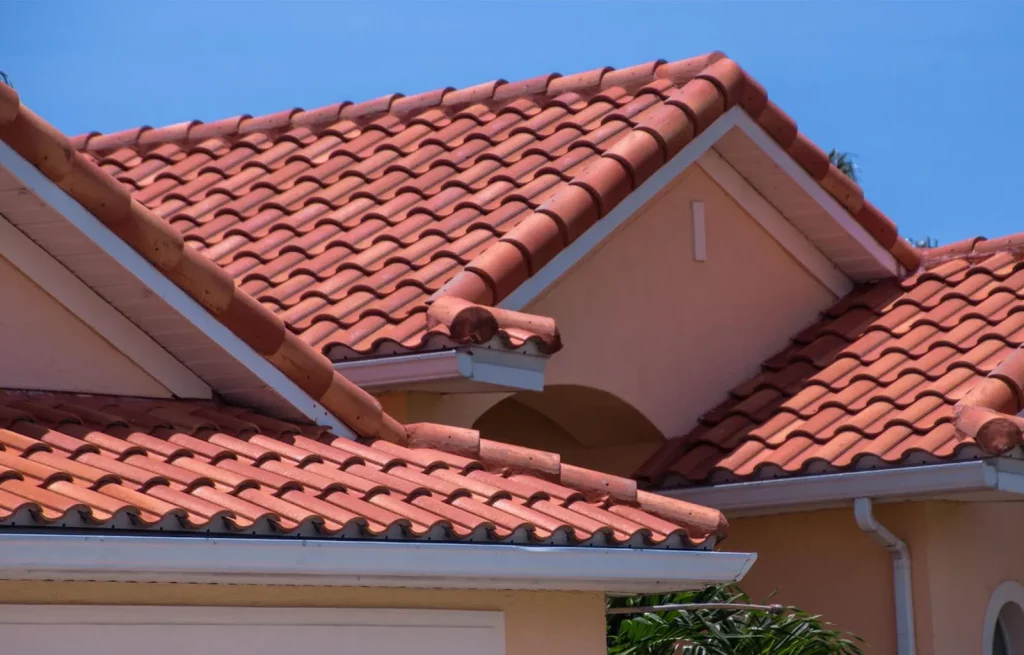
In hot climates, the selection of roofing materials greatly affects energy efficiency and costs. Metal roofing, clay tiles, and concrete roofs are among the top choices due to their reflective properties and thermal performance. Each material offers unique advantages that can help maintain comfortable indoor temperatures. Understanding these options is essential for homeowners seeking to reduce energy bills. The impact of insulation also warrants consideration, which can further enhance roof performance.
Key Takeaways
- Reflective roofs, such as metal or coated asphalt shingles, significantly reduce heat absorption, keeping indoor temperatures cooler and lowering energy bills.
- Clay and concrete tiles offer thermal mass, effectively regulating indoor temperatures and minimizing reliance on air conditioning.
- Well-ventilated roofs enhance airflow, reducing heat buildup and improving overall energy efficiency in hot climates.
- Quality insulation, combined with energy-efficient roofing materials, stabilizes indoor temperatures and further reduces energy consumption.
- Energy-efficient roofs contribute to sustainability, lower energy bills, and increased property value over time.
Understanding the Impact of Roof Type on Energy Efficiency in Hot Climates
When considering energy efficiency in hot climates, the type of roof installed can greatly influence a home’s thermal performance. Reflective roofs, such as those with light-colored or metallic surfaces, can remarkably reduce heat absorption, keeping indoor temperatures cooler. Additionally, well-ventilated roofs enhance airflow, which further mitigates heat buildup. The best roof types for hot climates often include materials designed to withstand high temperatures and provide insulation, such as clay tiles or concrete. These options not only improve energy efficiency but also contribute to longevity and durability. Homeowners seeking to lower energy bills should prioritize roofs that offer both thermal resistance and reflective properties, ensuring a comfortable living environment while promoting sustainability.
Top Materials for the Best Roof Types for Hot Climates
Selecting the appropriate materials is essential for achieving the best roof types for hot climates. Common materials include metal, tile, and asphalt shingles, each offering unique benefits. Metal roofing is highly reflective, durable, and energy-efficient, making it a popular choice. Clay and concrete tiles provide excellent thermal mass, absorbing heat during the day and releasing it at night, thereby regulating indoor temperatures. Asphalt shingles, particularly those with reflective coatings, can also be effective in reducing heat absorption. Additionally, synthetic roofing materials, such as rubber and plastic composites, are gaining traction for their lightweight properties and resistance to extreme weather. Ultimately, the choice of material greatly impacts energy efficiency and comfort in hot climates, contributing to lower energy bills.
Reflective Roofing Options to Combat Heat
Reflective roofing options play a considerable role in enhancing the energy efficiency of the best roof types for hot climates. By minimizing heat absorption, these materials help reduce cooling costs. Homeowners can benefit from various reflective roofing solutions, including:
- Cool Roof Coatings – These are applied over existing roofs to improve reflectivity.
- Metal Roofing – Highly reflective surfaces that can considerably lower temperatures.
- Tile Roofing – Certain tiles come with reflective glazes to combat heat.
- Single-Ply Membranes – These lightweight materials offer high reflectivity and durability.
Choosing the right reflective roofing option can lead to substantial energy savings, making it an essential consideration for those in hotter climates. By opting for these materials, homeowners can create more comfortable living spaces while reducing energy bills.
The Role of Insulation in Enhancing Roof Performance
Although many homeowners focus on roofing materials, insulation plays a critical role in enhancing the performance of the best roof types for hot climates. Proper insulation minimizes heat transfer, keeping indoor temperatures stable and reducing reliance on air conditioning systems. This is particularly essential in hot climates, where energy costs can escalate quickly. Effective insulation materials, such as spray foam and rigid foam boards, create a barrier that prevents outside heat from penetrating the living space. Additionally, combining insulation with reflective roofing options can further bolster energy efficiency. By investing in quality insulation, homeowners can maximize the benefits of their chosen roofing materials, resulting in lower energy bills and a more comfortable home environment.
Long-Term Benefits of Investing in Energy-Efficient Roofs
Investing in energy-efficient roofs offers numerous long-term advantages for homeowners, particularly in hot climates. These roofs not only enhance comfort but also contribute to significant financial savings and environmental benefits. Key advantages include:
- Reduced Energy Bills: Energy-efficient roofs reflect sunlight, keeping homes cooler and lowering air conditioning costs.
- Increased Property Value: Homes with energy-efficient features often command higher resale prices, attracting environmentally-conscious buyers.
- Extended Roof Lifespan: Quality materials used in energy-efficient roofs can withstand harsh weather conditions, leading to fewer replacements.
- Environmental Impact: Using less energy decreases carbon footprints, promoting sustainability within the community.
Ultimately, the best roof types for hot climates profoundly affect both personal finances and the environment, fostering a sense of belonging to a responsible community.
Frequently Asked Questions
How Do Roof Colors Affect Energy Efficiency in Hot Climates?
Roof colors notably influence energy efficiency in hot climates. Lighter shades reflect sunlight, reducing heat absorption, while darker colors increase energy consumption due to higher temperatures. Consequently, selecting the appropriate roof color is essential for energy conservation.
Can Plants or Greenery Be Integrated Into Hot Climate Roofing?
Plants and greenery can be effectively integrated into roofing systems in hot climates, providing natural insulation, reducing heat absorption, and enhancing aesthetic appeal. Living roofs contribute to energy efficiency while promoting biodiversity and improving air quality.
What Are the Maintenance Requirements for Different Roof Types?
Maintenance requirements for different roof types vary greatly. Asphalt shingles need periodic inspections and replacements, metal roofs require minimal upkeep, while tile roofs necessitate regular cleaning and checking for cracks to guarantee longevity and efficiency.
Are There Tax Credits Available for Energy-Efficient Roofing?
Tax credits for energy-efficient roofing are often available, varying by location and program. Homeowners should consult local government resources or tax professionals to identify applicable incentives and guarantee compliance with requirements for maximum benefits.
How Long Do Energy-Efficient Roofs Typically Last?
Energy-efficient roofs typically last between 20 to 50 years, depending on the materials used and maintenance. This longevity contributes to their appeal, aligning with homeowners’ goals for sustainable living and reduced long-term energy costs.
Conclusion
In summary, selecting the appropriate roofing materials for hot climates is essential for enhancing energy efficiency and reducing utility costs. Metal roofing, clay tiles, and concrete roofs stand out due to their reflective properties and thermal performance. Additionally, incorporating reflective coatings and ensuring proper insulation can greatly improve indoor comfort. Investing in energy-efficient roofing solutions not only contributes to long-term savings but also supports sustainability efforts, ultimately benefiting both homeowners and the environment.
You May Also Love to Read: